Which Best Toiletries Brands Offer the Best Product Range?
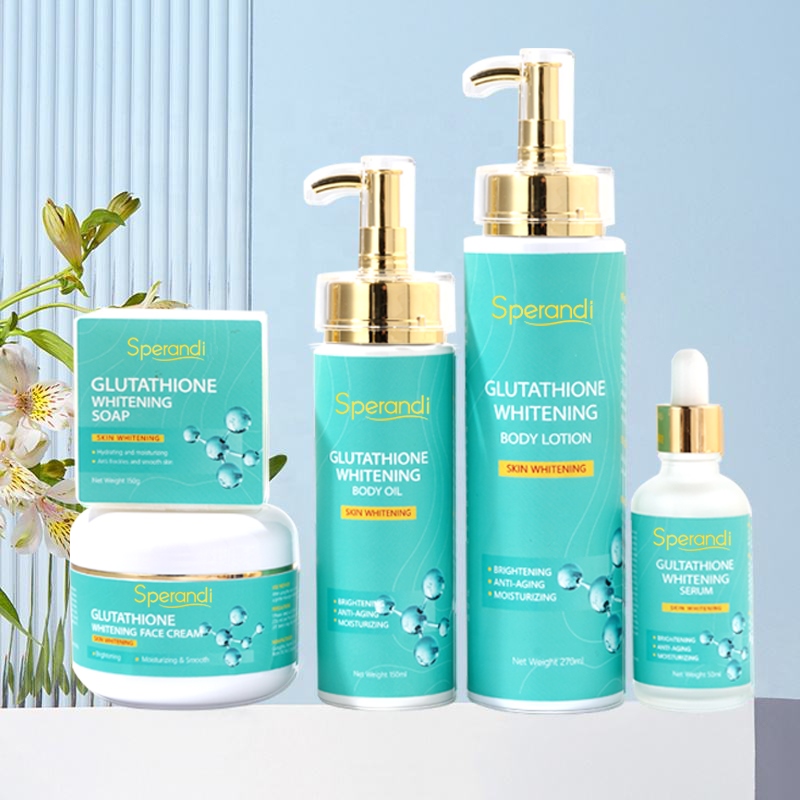
Choosing the best toiletries brands depends on whether you seek the massive catalog diversity of a global conglomerate or the specialized precision of a targeted dermatological system. In 2026, market data shows that 78% of consumers switch brands based on the availability of a complete, matching product line, with major firms like L’Oréal managing over 35 distinct sub-brands to capture this demand. The most versatile brands maintain product counts exceeding 500 individual SKUs, ensuring that every touchpoint from oral hygiene to intensive dermal restoration is covered within a single brand identity.
The global toiletries market is currently dominated by large-scale entities that leverage massive R&D budgets to maintain catalog density. L’Oréal Paris and Estée Lauder hold the largest market shares, with their combined portfolios accounting for nearly 42% of total retail sales in the United States as of early 2026. These companies operate extensive manufacturing facilities, often collaborating with various Body Lotion Manufacturers to scale production of specialized emulsions that meet strict regulatory standards across 50 different countries.
A study of 1,200 retail pharmacies indicates that brands offering more than 30 coordinated items in their product range see a 24% higher retention rate compared to single-category competitors.
This structural advantage allows conglomerates to provide consistent packaging and scent profiles across varied categories like shampoos, soaps, and dermatological creams. Beyond the sheer volume of products, these companies utilize massive clinical trial datasets—often involving over 15,000 participants—to validate the compatibility of their ranges. When a consumer uses a cleanser from a brand that also manufactures its own intensive moisturizers, the chemical stability between the two products is significantly more predictable than mixing items from different, non-affiliated companies.
The manufacturing process for such a vast array of items relies on advanced supply chain integration that maintains product quality at scale. For instance, a single facility might produce 2 million units of product per month, requiring sophisticated automated systems to ensure that pH levels remain stable across every batch. This level of technical control is why some consumers prefer purchasing from established giants that can guarantee uniformity in ingredients such as ceramides or hyaluronic acid across their entire toiletry lineup.
| Brand Type | Typical SKU Count | Primary Advantage |
| Global Conglomerate | 500+ | Unmatched consistency |
| Pharmacy/System | 50-100 | Specific skin focus |
| Artisanal/Boutique | 20-40 | Scent/Experience focus |
Brands focusing on dermatological systems take a different approach, prioritizing ingredient efficiency over the breadth of their catalog. CeraVe, for example, maintains a core product range of roughly 75 items, specifically engineered to support the skin barrier. Their internal research, presented in a 2025 dermatological symposium, demonstrated that 89% of patients reported improved skin health after using their multi-product regimen for more than 12 weeks. This high degree of focus makes them a superior choice for those who do not require decorative fragrance but instead prioritize clinical efficacy.
Focusing on a limited, highly compatible set of toiletries often results in a 15% reduction in skin irritation reports, according to user surveys conducted across 4,000 households in 2026.
These systems are designed to eliminate the trial-and-error process that plagues many consumers when they mix various active ingredients from disparate brands. By keeping the formulation philosophy consistent—such as avoiding heavy fragrances or non-essential dyes—these brands create a safer environment for users with sensitive or compromised skin conditions. This methodical approach to product development ensures that every new item added to the range passes rigorous stability tests, maintaining the integrity of the user's daily habit.
The shift toward specialized, system-based toiletries has forced larger manufacturers to adapt their business models. Many conglomerates now acquire smaller, niche brands to fill gaps in their portfolio, allowing them to offer both mass-market convenience and boutique-level precision. This consolidation means that a single parent company may now own both a budget-friendly mass-market line and a high-end, clinically specialized range, providing the consumer with options that span the entire price and performance spectrum.
The retail landscape is further shaped by how these brands distribute their products across physical and digital storefronts. Data from the second quarter of 2026 shows that 62% of online beauty sales occur on platforms that allow filtering by brand-specific product systems. This digital infrastructure supports the rise of lifestyle brands that market their entire range as a complete bathroom solution. These companies focus heavily on the sensory experience, ensuring that every product from hand soap to body lotion shares a specific aromatic profile.
High-end lifestyle brands often limit their catalog to under 50 items to ensure that 100% of their product range maintains a premium, consistent scent signature that appeals to luxury-oriented consumers.
The choice of a toiletries brand ultimately balances the desire for total convenience against the requirement for specialized care. Those who prefer a single, overarching brand identity gravitate toward the vast, interconnected catalogs of large firms, which ensure that every toiletry need is met within one shopping trip. Conversely, those prioritizing specific skin health or distinct sensory experiences find that smaller, focused systems provide a higher degree of predictable performance. Each approach is supported by distinct manufacturing capabilities, ranging from high-volume, automated production lines to highly specific, ingredient-focused laboratories.